
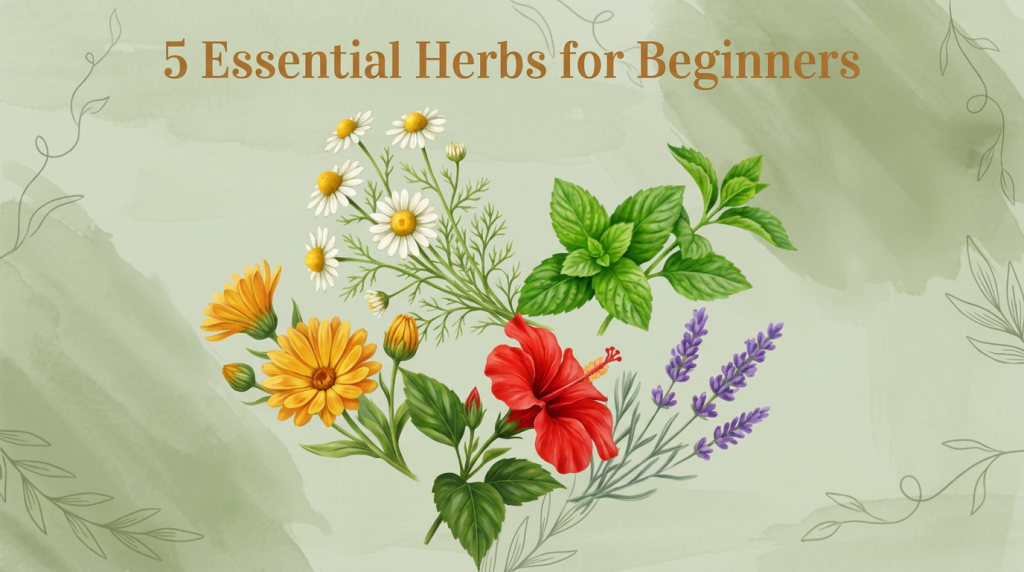
Starting your own home apothecary can feel intimidating when you look at the sheer volume of medicinal plants available.
Download our free, printable 8.5×11 Herb Guide. Perfect for hanging on your fridge or tucking into your favorite cookbook for quick reference.
It is easy to think you need hundreds of obscure, exotic roots and leaves to create a functional natural medicine chest. However, the true secret of herbalism doesn’t lie in gathering an endless collection of jars. Instead, it comes down to deeply understanding a small, foundational group of versatile plants.
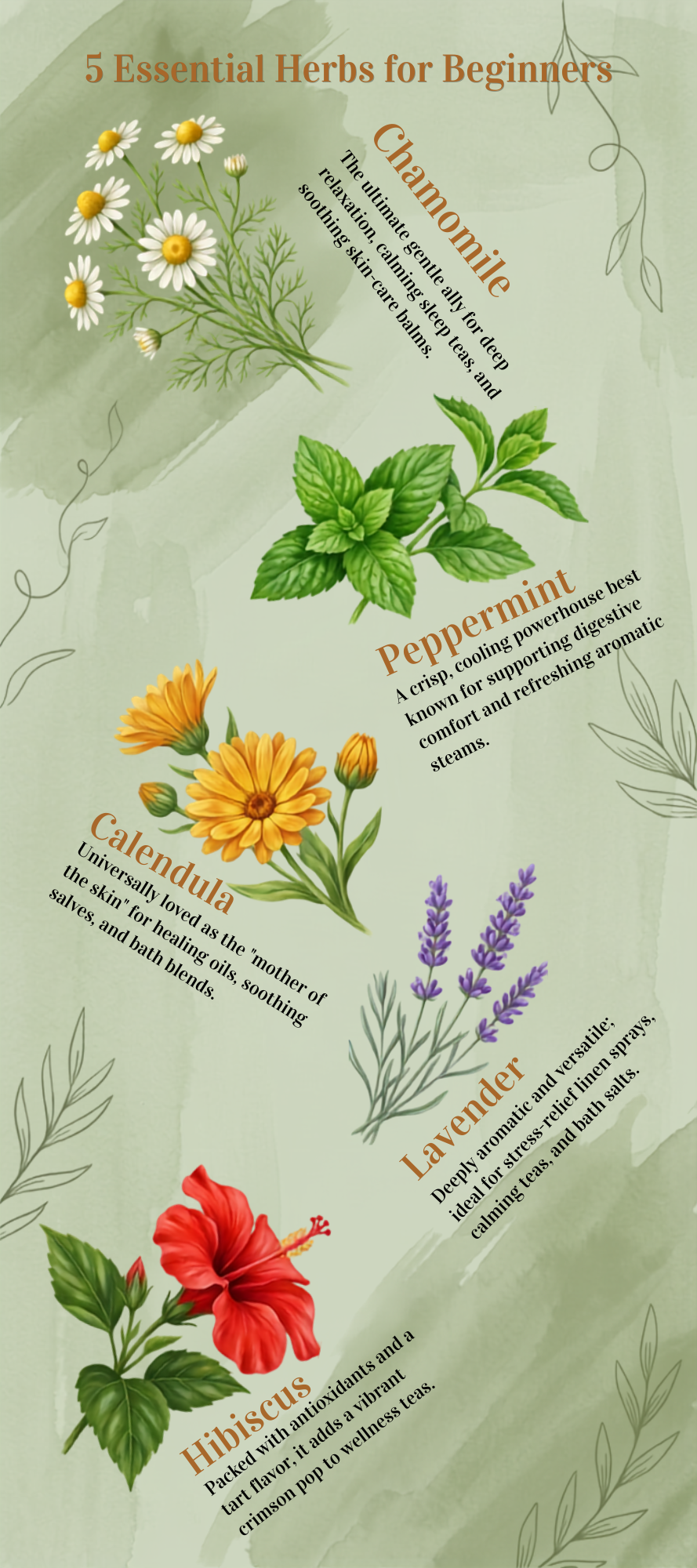
The beauty of beginning your herbal journey with these specific five plants lies in their overlapping capabilities. In clinical herbalism, this concept is known as a plant’s “polycrest” nature—meaning a single herb possesses multiple therapeutic actions across different body systems. Instead of needing one herb for a headache, a second for a stomach ache, and a third for minor skin irritation, you will quickly discover that a single jar of Peppermint or Lavender can elegantly address all three concerns depending on how you prepare it.
By taking the time to truly understand this core group, you aren’t just memorizing a list of remedies; you are actively training your intuition as a practitioner. Learning how to properly dry, store, infuse, and blend these five accessible staples builds the physical muscle memory and practical confidence required to manage a home apothecary. Once you have mastered the foundational art of a calming chamomile tea, a refreshing peppermint steam, or a skin-softening calendula salve, expanding your plant pantry in the future becomes a natural, fluid extension of skills you already deeply possess. Let’s take a closer look at each of these five allies and discover exactly how to put them to work for your daily wellness.
As you step into the specific profiles below, try to view these plants not as static ingredients on a shelf, but as living, dynamic partners in your health. Each one holds its own unique personality, balancing actions, and energetic qualities that will soon feel as familiar to you as an old friend.
Remember that the goal of a home apothecary is never perfection; it is about building a relationship with the earth and learning to trust your own hands.
Let’s begin with our very first ally, a gentle giant of comfort and digestion that deserves a permanent home in every household toolkit.
1. Chamomile (Matricaria recutita)
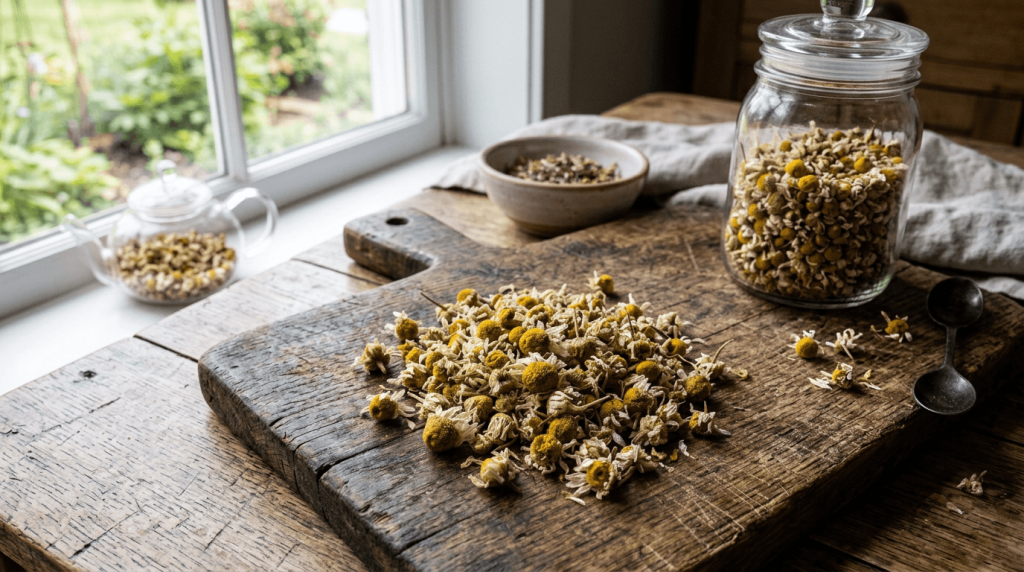
Chamomile is far more than just a sleepytime tea staple. It is an irreplaceable workhorse for any beginner herbalist, valued for its gentle yet powerful actions on both the nervous system and the skin. As a premier nervine, chamomile works directly to soothe an overwrought nervous system, making it the ultimate ally for deep relaxation, calming sleep teas, and soothing skin-care balms.
What many beginners overlook is chamomile’s profound affinity for the digestive tract. Because the gut and the brain are intrinsically linked, chamomile’s carminative volatile oils excel at releasing tension held in the stomach. It eases nervous indigestion, bloating, and mild cramping while simultaneously reducing systemic inflammation. Topically, its high azulene content makes it incredibly cooling and regenerative, rendering it an exceptional addition to herbal salves designed to calm angry rashes, minor burns, or eczema breakouts.
2. Peppermint (Mentha x piperita)
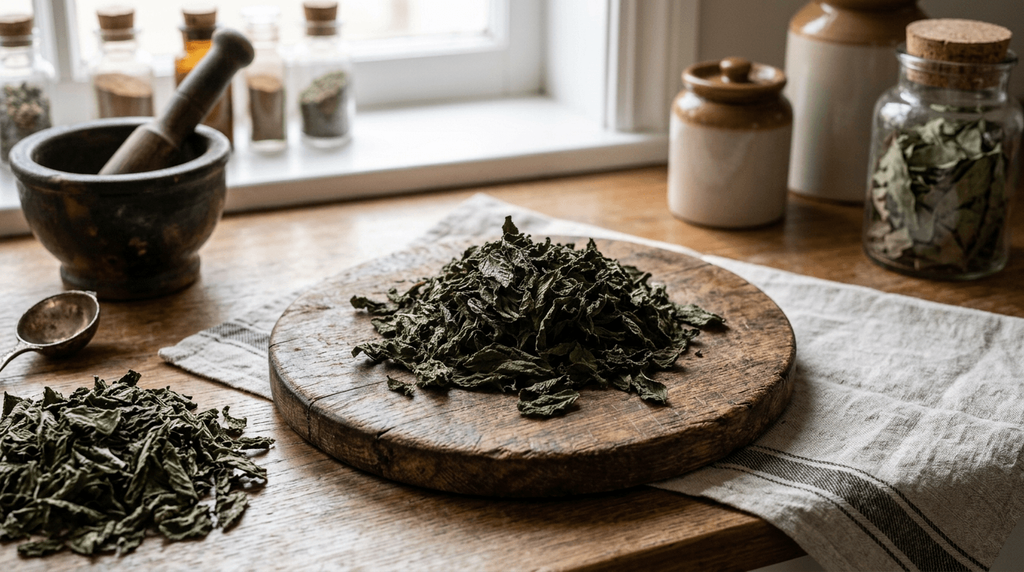
Peppermint is a crisp, cooling powerhouse best known for supporting digestive comfort and refreshing aromatic steams. Driven by its high concentration of menthol, peppermint acts as an antispasmodic, meaning it physically relaxes the smooth muscles of the digestive system. This makes it your immediate go-to choice for relieving acute bloating, gas, nausea, and sluggish digestion after a heavy meal.
Beyond the digestive tract, peppermint is exceptionally moving and stimulating. When inhaled via an aromatic facial steam, its volatile oils instantly open up congested nasal passages, break through brain fog, and offer a cooling sensation that can ease a throbbing tension headache. It acts as a circulatory stimulant, helping to bring fresh blood to tissues when applied topically in liniments or foot soaks. Peppermint brings a vibrant, energetic lift to any herbal blend, waking up both the flavor profile and the physical body.
3. Calendula (Calendula officinalis)
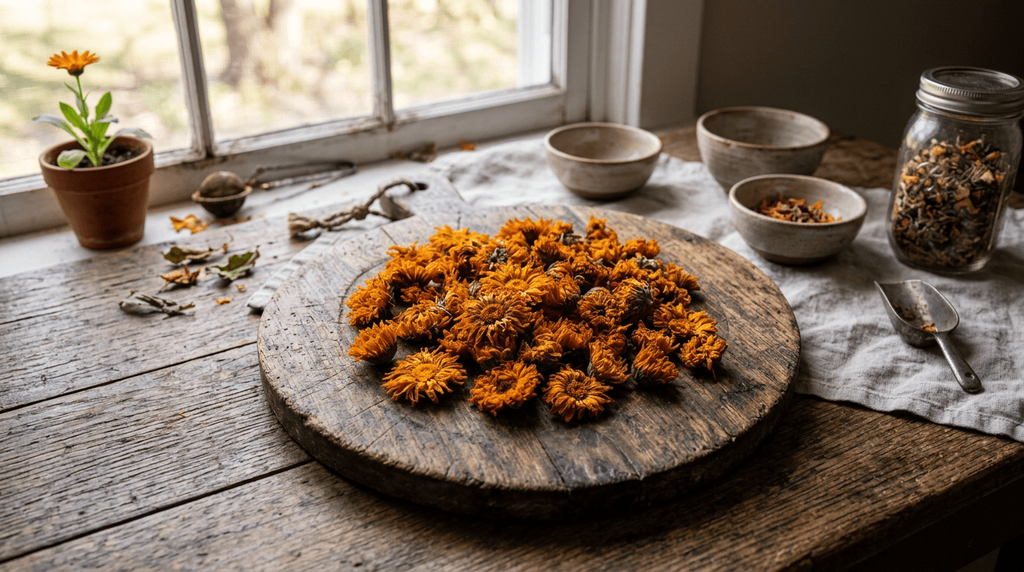
Universally loved as the “mother of the skin,” calendula is an absolute mandatory inclusion for healing oils, soothing salves, and bath blends. The bright orange and yellow petals of the marigold flower are rich in resins, carotenoids, and flavonoids that specifically target cellular repair and tissue regeneration. Wherever there is a breach in the skin barrier—whether it is a scratch, a minor burn, a bug bite, or a stubborn patch of dry skin—calendula steps in to accelerate healing.
Calendula is a vulnerable vulnerary herb, meaning it physically knits tissue back together. It also carries mild antimicrobial and lymphatic moving properties, which helps clear away waste from local skin irritations while preventing minor infections. When infused into oil, it yields a rich, golden liquid that serves as the gentle foundation for diaper creams, facial serums, and soothing body butters. It is gentle enough for infant skincare yet powerful enough to manage raw, angry skin flares.
4. Lavender (Lavandula angustifolia)
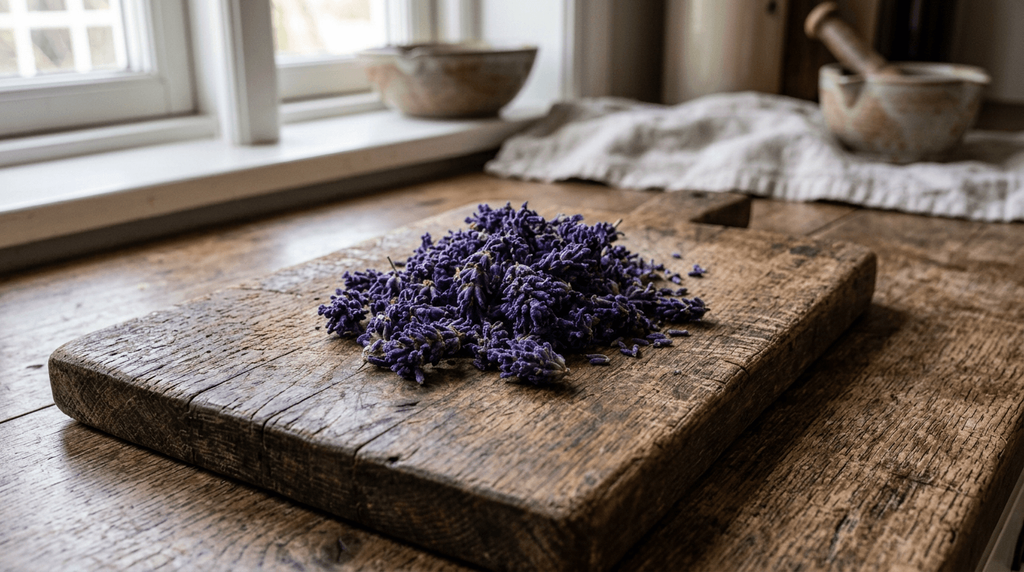
Lavender is deeply aromatic and versatile; it is ideal for stress-relief linen sprays, calming teas, and bath salts. Known historically as a universal balancing herb, lavender has a unique ability to calm an over-excited mind while gently uplifting a heavy, stagnant spirit. Its complex aromatic profile works directly through olfactory pathways to reduce cortisol levels, ease muscular tension, and promote deep, restorative sleep cycles.
In addition to its legendary emotional benefits, lavender is a potent antiseptic and anti-inflammatory agent. A few drops of lavender-infused oil or a splash of strong lavender tea can quickly take the sting out of a sunburn, sanitize a small scrape, or take the itch out of a mosquito bite. It acts as an excellent preservative element in homemade cosmetics and brings a clean, floral, therapeutic note to botanical bath teas and mineral-rich soaking salts.
5. Hibiscus (Hibiscus sabdariffa)
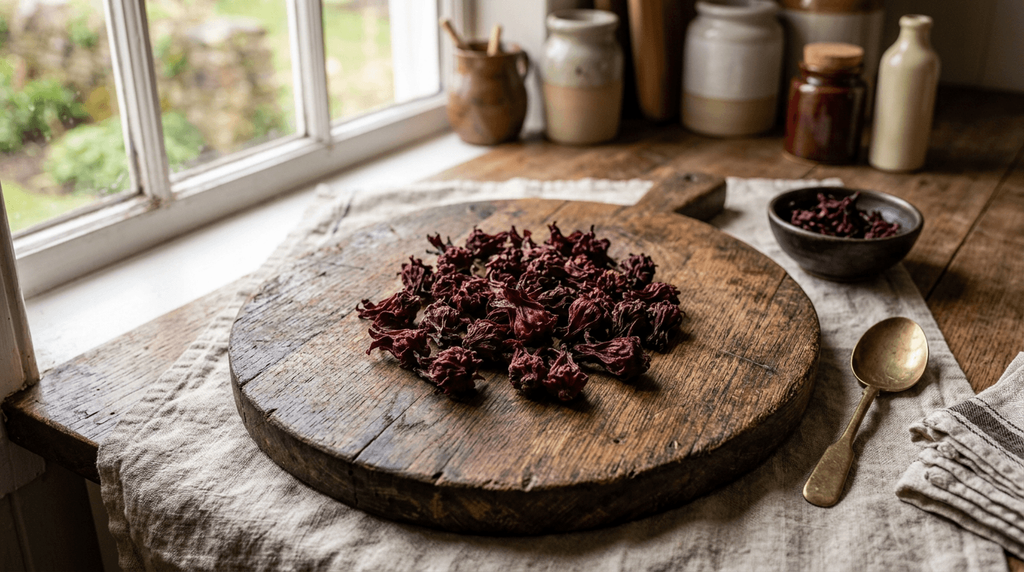
Packed with antioxidants and a tart flavor, hibiscus adds a vibrant crimson pop to wellness teas. While often celebrated primarily for its gorgeous color and refreshing flavor, hibiscus is a nutritional and cardiovascular heavyweight in the apothecary. It is deeply cooling and hydrating, making it an exceptional base for summer iced teas, traditional punches, and restorative elixirs designed to balance body temperature.
The deep red pigment in hibiscus signifies an abundance of anthocyanins and vitamin C, which actively support cardiovascular health by strengthening blood vessels, supporting healthy circulation, and protecting tissues from oxidative stress. Its natural astringency gives it a toning effect both internally on mucous membranes and topically when formulated into facial toners or hair rinses. Hibiscus breathes life, color, and vital nutrition into your beginner pantry.
The Core Techniques of the Apothecary
Possessing the herbs is only the first step; understanding how to work with them is where the true alchemy happens. Here are the four foundational skills every beginner herbalist must master to transform raw plants into potent remedies.
Harvesting & Drying Fresh Herbs
To capture the therapeutic volatile oils of your herbs, you must dry them properly. Always harvest or purchase fresh herbs before they begin to wilt or brown.
- For flowers (Chamomile, Calendula, Hibiscus): Spread them out in a single layer on a clean mesh screen, paper towel, or a dehydration rack. Ensure they do not overlap significantly, which can trap moisture and cause mold.
- For leafy stalks (Peppermint, Lavender): You can bundle the stems together using a rubber band and hang them upside down in a warm, dry area out of direct sunlight.
- The Crunch Test: Your herbs are fully dry when the leaves crumble effortlessly like potato chips and the flower centers show absolutely zero flexibility or internal dampness.
Storing Dried Herbs for Potency
Light, heat, and air are the ultimate enemies of herbal potency. They degrade the active medicinal compounds and cause vibrant colors to fade into a dull brown.
- Always store your dried herbs in clean, airtight glass jars (amber glass is ideal, though clear glass works perfectly if kept inside a dark cupboard).
- Label every single jar immediately with both the common/botanical name of the herb and the exact date it was jarred.
- Keep your jars away from damp areas like the stove or windowsills. Well-stored dried herbs will maintain their aromatic potency for roughly one year.
The Art of Infusing Dried Herbs
Infusion is the simple process of extracting an herb’s properties into a liquid medium, typically water or oil.
- Water Infusions (Teas & Nourishing Brews): For delicate leaves and flowers like chamomile and peppermint, a standard infusion is best. Pour boiling water over 1–2 teaspoons of dried herb, cover the mug with a lid to trap the healing steam and volatile oils, and let it steep for 10–15 minutes before straining.
- Oil Infusions (The Base for Salves): Fill a clean glass jar halfway with dried herbs (never use fresh herbs here, as the water content will cause the oil to go rancid). Pour a high-quality carrier oil, like extra virgin olive oil or jojoba oil, over the herbs until they are completely submerged by at least an inch. Seal the jar and let it sit in a warm, sunny window for 4–6 weeks, shaking daily, before straining out the spent plant material.
Blending Principles for Beginners
When creating your own custom loose-leaf herbal formulas, use a simple three-tier framework to keep your blends balanced, effective, and delicious:
- The Active Base (70%): Choose 1–2 primary herbs that directly target your main goal (e.g., Chamomile and Lavender for sleep).
- The Supportive Ally (20%): Choose an herb that enhances the action or supports a related body system (e.g., Peppermint to relax the stomach alongside the sleep herbs).
- The Catalyst/Flavor Accent (10%): Choose a vibrant, highly aromatic or colorful herb to tie the flavors together and make the remedy a joy to consume (e.g., Hibiscus for a beautiful red color and a bright, fruity twist).
By mastering these simple pillars of drying, storing, infusing, and blending, you will unlock the full potential of these five essential herbs—allowing you to confidently craft a safe, natural, and highly effective home apothecary.
Medical Disclaimer
The information provided in this guide is for educational and informational purposes only and should not be construed as medical advice. It is not intended to diagnose, treat, cure, or prevent any medical condition or disease. Always consult with a qualified healthcare professional, doctor, or clinical herbalist before introducing new herbs into your wellness routine, especially if you are pregnant, nursing, taking medications, or managing an underlying health condition.