
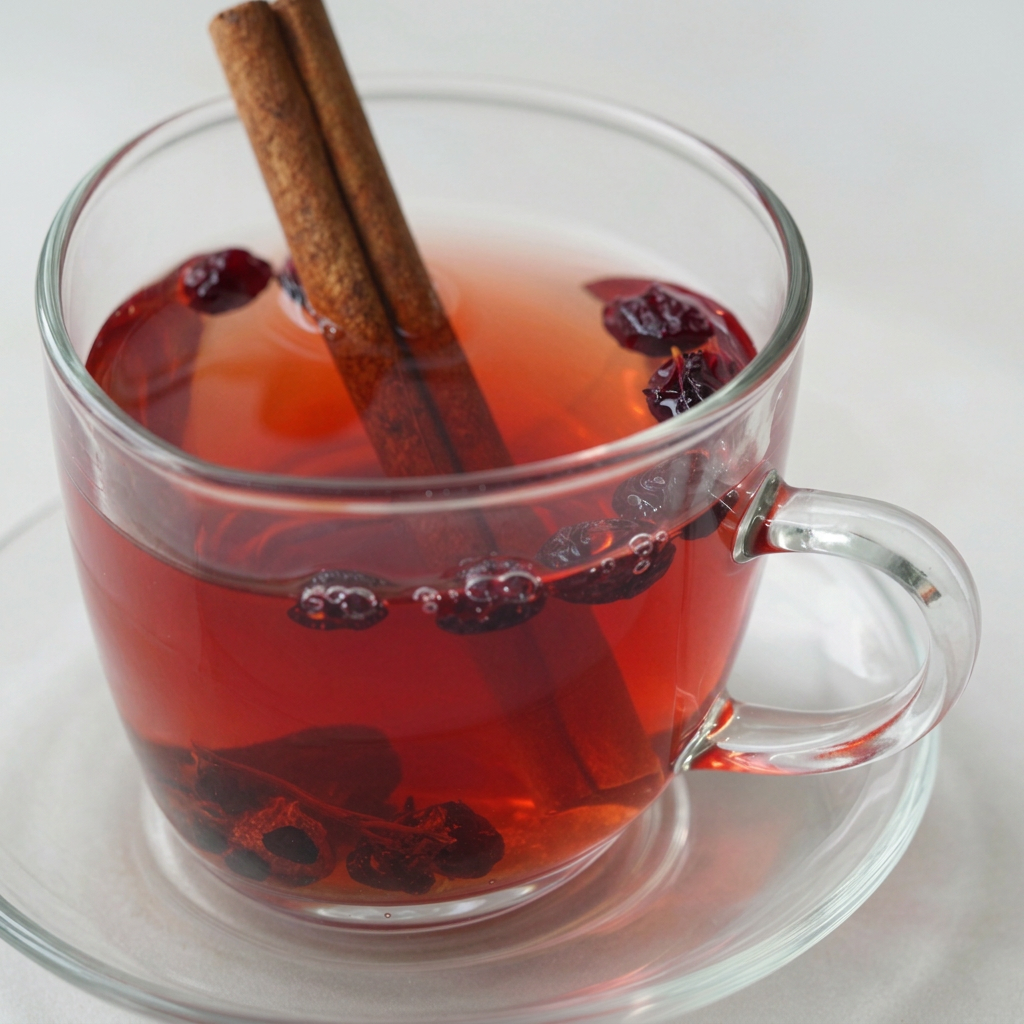
There’s something deeply comforting about a warm cup of tea steeped with dried elderberries, tart hibiscus blooms, and a curl of cinnamon bark. The color alone — a deep ruby-magenta that looks almost jewel-toned in the cup — makes it feel like a little ritual rather than just a beverage. Add in the fact that elderberry has been used in folk traditions for centuries, and it’s easy to see why this particular tea blend has become a staple in so many kitchens, especially as the seasons turn and people start thinking about supporting their immune systems.
A Quick Look at the Ingredients
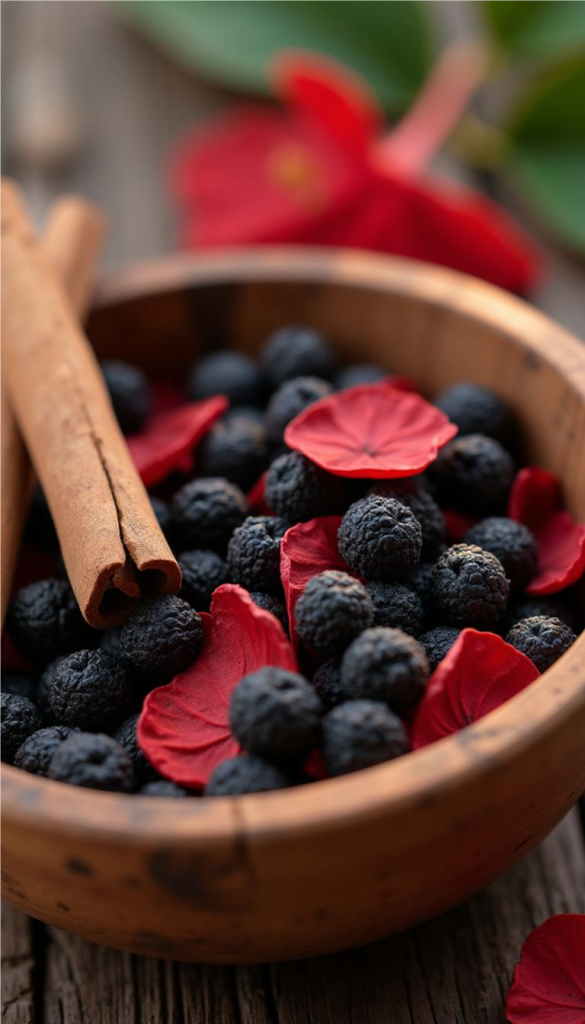
Dried Elderberries — Elderberries come from the Sambucus plant, most commonly Sambucus nigra (European elderberry) or Sambucus canadensis (American elderberry). These small, dark purple berries have been used in traditional herbal preparations across Europe for generations, often appearing in syrups, cordials, and teas, particularly during the colder months. It’s worth noting that elderberries should always be cooked or properly dried before consumption — raw, unripe berries, stems, and leaves contain compounds that can cause stomach upset, so store-bought dried elderberries intended for tea or culinary use are the way to go.
Dried Red Hibiscus Blooms — Hibiscus, sometimes labeled as “hibiscus flowers” or by its Spanish name “flor de Jamaica,” brings a tart, cranberry-like brightness to the blend. Beyond flavor, hibiscus is prized for its vivid ruby color, which deepens the visual appeal of the tea considerably. It’s a popular ingredient in its own right, often enjoyed on its own as a chilled iced tea in many cultures, particularly throughout Latin America, the Caribbean, and parts of Africa and the Middle East.
Cinnamon Stick — Whether you use a whole stick, a half, or a third depends on how bold you want the spice notes to be. Cinnamon adds warmth and a subtle sweetness that balances the tartness of the hibiscus and the deep, slightly earthy flavor of the elderberries. It’s also one of the most widely used spices in traditional wellness practices around the world, often associated with warming, comforting qualities — which makes it a natural fit for a cold-weather tea.
Honey (Optional) — A drizzle of honey is a welcome, though entirely optional, addition to this blend. It adds a gentle sweetness that helps mellow out the tartness of the hibiscus, giving the tea a smoother, more rounded finish. Raw or local honey is often favored by those who enjoy the idea of pairing traditional ingredients together, though any honey you have on hand will work just fine. If you prefer your tea unsweetened, or want to let the natural flavors of the elderberries, hibiscus, and cinnamon shine on their own, feel free to leave it out entirely — the tea stands well without it. Just note that honey should not be given to infants under one year of age due to the risk of infant botulism, so if you’re making this for little ones, it’s best served without it or with an alternative sweetener.
Together, these ingredients create a balanced cup: earthy and slightly sweet from the elderberries, tart and floral from the hibiscus, and warm and aromatic from the cinnamon. The honey is optional — if you tend to enjoy the addition of honey to your tea brews, you likely will find you like honey in elderberry tea.
This tea has a flavor profile that works whether you’re sipping it hot on a chilly evening or pouring it over ice in the warmer months.
Why Elderberry Has Such a Loyal Following
Elderberry’s popularity has surged over the past decade, and you’ll find it in everything from gummies and syrups to lozenges and, of course, tea blends like this one. Much of this popularity is rooted in traditional and folk use — elderberry has long been a go-to ingredient in home remedies passed down through families, particularly during the fall and winter months when colds and seasonal bugs tend to make the rounds.
Elderberries are naturally rich in antioxidants, including anthocyanins, which are the pigments responsible for their deep purple-black color. Antioxidants, broadly speaking, are compounds that help the body deal with oxidative stress, and many people are drawn to elderberry specifically because of the idea that it may offer some support to the body’s natural defenses. Elderberries also contain vitamin C and other plant compounds that have made them a subject of interest in various wellness circles.
It’s important to be clear here: much of elderberry’s reputation comes from generations of traditional use rather than being something formally established. Some smaller studies have looked into elderberry’s potential relationship to immune function and general wellness, but the research is still considered limited and evolving. That’s part of why so many people treat elderberry tea as a comforting, supportive addition to their routine — a nice ritual to lean into during colder months — rather than a guaranteed fix for anything.
A Cup Rooted in Tradition
There’s something worth appreciating about how long herbal teas like this have been part of human life. Long before store shelves were lined with wellness products, people were drying berries, flowers, bark, and roots, and steeping them in hot water — partly for flavor, partly for warmth, and partly because these plants held a meaningful place in home remedies and cultural practices. Elderberry, hibiscus, and cinnamon each have their own rich histories in different parts of the world, and blending them together in a single cup is, in a way, a nod to that shared human tradition of turning to plants for comfort.
Making a cup of tea like this can also just be a nice moment of pause. In a world that moves fast, there’s real value in the few minutes it takes to steep tea, watch the color bloom into the water, and sit with a warm mug in your hands.
A Few Things to Keep in Mind
- Sourcing matters. Always use dried elderberries that are specifically labeled as food-grade and intended for tea or culinary use. Avoid using fresh, raw elderberries, unripe berries, or any part of the elderberry plant (leaves, stems, bark, roots) unless you know it has been properly prepared, as raw elderberry plant material can cause nausea or digestive upset.
- Storage. Keep your dried elderberries, hibiscus, and cinnamon sticks in a cool, dry place, ideally in an airtight container away from direct sunlight. This helps preserve both flavor and color for longer.
- Hot or iced. This blend works well either way — steeped hot for a cozy drink, or brewed strong and poured over ice for a refreshing, tart summer sipper.
- Sweeteners. A little honey, maple syrup, or a squeeze of citrus can round out the tartness of the hibiscus if you prefer a milder cup.
- Color caution. Hibiscus is known for its deep pigment, so be mindful with light-colored mugs, countertops, or fabric — it can stain.
Who Might Want to Be Extra Cautious
Herbal teas are generally well-tolerated by most people, but a few groups may want to check with a healthcare provider before making elderberry tea a regular habit. This includes pregnant or breastfeeding individuals, people with autoimmune conditions, anyone taking medications (particularly immunosuppressants, diuretics, or diabetes medications, since elderberry and hibiscus may interact with certain drugs), and children, for whom appropriate amounts can differ significantly from what’s suitable for adults. If you’re new to any of these ingredients, it’s always wise to start with a smaller amount and see how your body responds.
A Note on This Guide
Everything shared here is meant purely as general background information and a bit of context to accompany your printable recipe card — it is not intended to replace professional medical guidance, and it should not be treated as such.
Herbal & Medical Disclaimer: The information provided in this guide is for general educational and informational purposes only and is not intended as, and should not be substituted for, professional medical advice, diagnosis, or treatment. Elderberry, hibiscus, and cinnamon are traditionally used as culinary and herbal ingredients, but individual reactions can vary, and interactions with medications or existing health conditions are possible. Always consult a qualified healthcare provider before using any herbal remedy or tea for health-related purposes, particularly if you are pregnant, nursing, managing a chronic condition, taking prescription medications, or considering giving herbal tea to a child. Never disregard professional medical advice or delay seeking it because of something you have read here.
Wrapping Up
Whether you’re brewing this tea for the flavor, the color, the cozy ritual, or the tradition behind it, elderberry tea with hibiscus and cinnamon is a lovely blend to have on hand as the seasons shift.
PrintElderberry Tea Recipe
A cozy, ruby-red herbal tea blend featuring dried elderberries, tart hibiscus, and warming cinnamon — a comforting sip for cold season and beyond.
- Prep Time: 10 minutes
- Cook Time: 10 minutes
- Total Time: 10 minutes
- Yield: 1 serving
Ingredients
2 tablespoons dried elderberries
1 – 2 tablespoons dried red tart hibiscus blooms
1/3, 1/2, or 1 whole cinnamon stick (per preference)
Optional – Honey if desired
Instructions
- Heat water until it is hot/steaming (BUT NOT BOILING).
- While water is heating, add to a single-serving teacup or coffee mug the elderberries, hibiscus blooms, and cinnamon stick.
- Pour heated water directly into the cup/mug containing the aforementioned ingredients.
- Let steep for 15 minutes to extract all of the herbal immune-boosting properties.
- If desired, add 1/2 to 1 teaspoon of honey, per preference.
- Sip and enjoy!
Notes
Important! If pouring directly into any kind of glass or ceramic cup, DO NOT pour bubbling boiling water directly into the cup, as doing so may result in your cup shattering or cracking! Make sure you are adding water that is instead only “hot” or “steaming.”